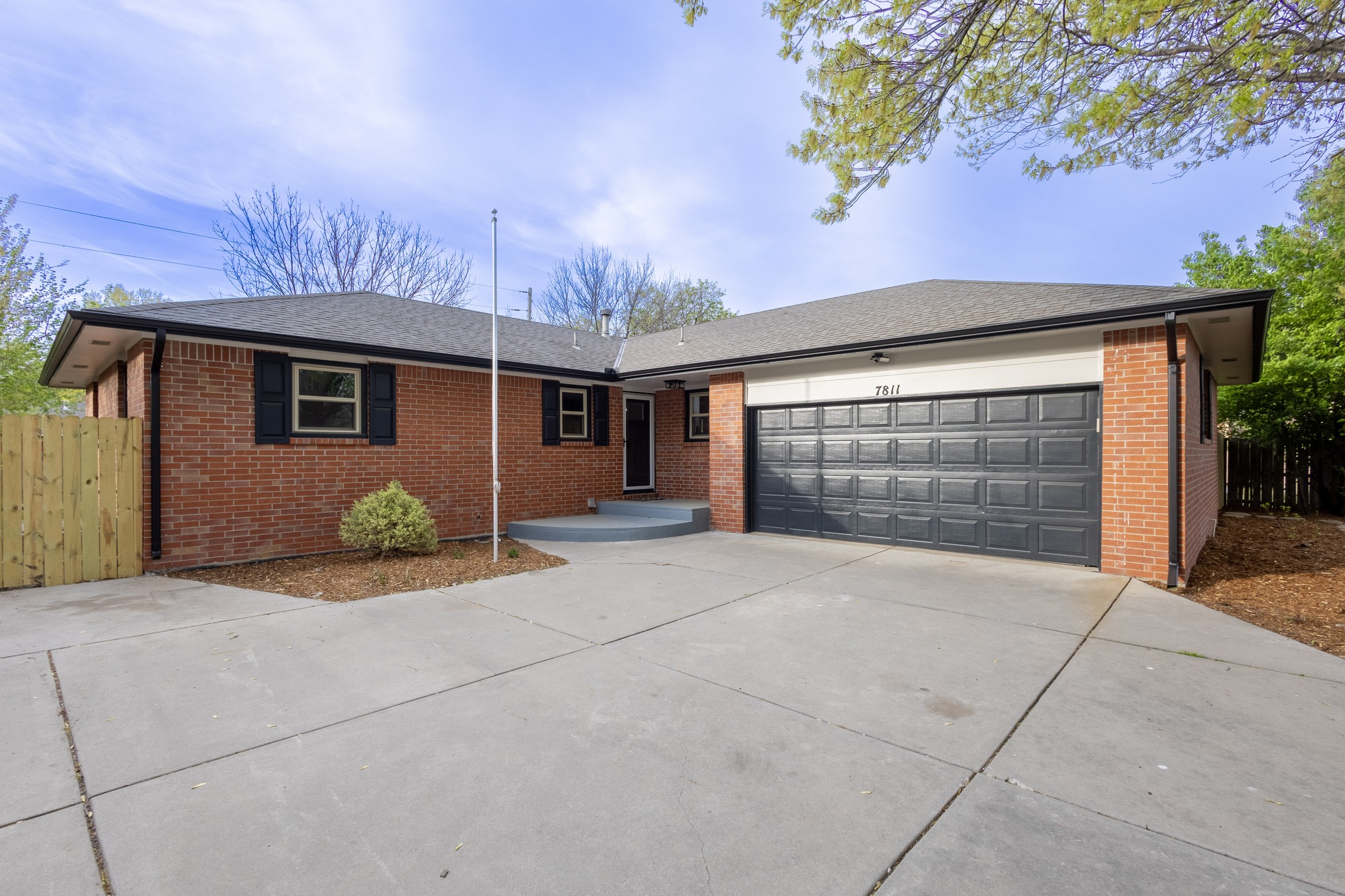

Your mother is gone and the house has a reverse mortgage on it. A letter has already arrived from the servicer, and it has a deadline in it.
Families in this position usually feel rushed and underinformed at the same time. The rules are more favorable than most people assume, but they do run on a clock.
Here is how selling a house after a reverse mortgage works in Kansas.
What Happens the Day the Borrower Dies
A reverse mortgage, usually a Home Equity Conversion Mortgage, becomes due and payable when the last surviving borrower dies, sells, or permanently leaves the home.
That does not mean the lender takes the house. It means the loan has to be settled, and the heirs get to choose how.
There are generally four ways it ends. Sell the house and pay off the loan. Pay off the loan and keep the house, usually by refinancing. Sign a deed in lieu of foreclosure and hand it back. Or do nothing and let it go to foreclosure.
The 95 Percent Rule Is the Important One
This is the provision families most need to know, and the one most often missed.
If the loan balance has grown larger than the house is worth, heirs who want to keep the property can generally satisfy the debt by paying 95 percent of the home’s current appraised value rather than the full balance.
If you are selling instead of keeping, the comparable protection is that these loans are non-recourse. The lender’s recovery is limited to the property. Neither you nor your parent’s estate owes the shortfall out of pocket, and insurance on the loan covers the lender’s gap.
So a house that is underwater on a reverse mortgage is a reason to move promptly. It is not a reason to panic about inheriting a debt.
And Any Equity Above the Balance Is Yours
The reverse works too, and this is the part some families never find out.
If the house sells for more than the loan payoff, the surplus belongs to the estate and flows to the heirs. It does not go to the lender.
That is why simply walking away or signing a deed in lieu can be an expensive decision. Before you hand the property back, find out what it is worth and what the payoff actually is. Those two numbers decide whether there is money on the table.
The Timeline Is Short and It Is Real
Servicers typically expect a response within about 30 days of the borrower’s death, and they usually allow around six months to resolve the loan.
Extensions are commonly available, often in 90 day increments up to roughly a year total, but they are not automatic. You have to request them, and you generally have to show the house is listed and that you are making progress.
The families that get into trouble are the ones who do not open the mail for two months. Respond early, in writing, and keep copies.
What to Gather First
Three documents tell you almost everything about your position.
Get a written payoff statement from the servicer, not an estimate over the phone. Get the death certificate, which the servicer will require and which you will need repeatedly. And get a realistic valuation of the property.
You also need to establish who has authority to sell. If the house passed through a transfer-on-death deed or a trust, that may be straightforward. If it did not, you may need probate, and our guide to selling a house during probate in Kansas covers what that involves.
If a Surviving Spouse Still Lives There
This is the situation where families most often get bad information, and the stakes are somebody’s housing.
If both spouses were borrowers on the loan, the surviving spouse can generally stay in the home and the loan does not become due on the first death.
If only one spouse was a borrower, the question is whether the other was documented as an eligible non-borrowing spouse. Under HUD rules for more recent HECM loans, an eligible non-borrowing spouse may be able to remain in the home under a deferral period after the borrower dies, provided conditions keep being met, including occupancy and keeping taxes and insurance current.
Older loans and spouses who were never properly identified do not get that protection, which is where the hardest cases come from. If a surviving spouse is living in the house, get the loan documents reviewed before anyone agrees to a sale or a deadline, because the answer changes what the family should do next.
These Houses Usually Need Work
There is a pattern with reverse mortgage properties that is worth naming without judgment.
The borrower was by definition at least 62 when the loan was taken out, and often much older by the end. Many of these houses have had deferred maintenance for years, because the income that justified the reverse mortgage did not stretch to a new roof.
So the house that needs to sell inside a servicer deadline is frequently the house that needs the most work. Listing it traditionally means spending money and time you may not have, while the loan deadline keeps approaching.
Why a Fast Cash Sale Fits This Situation
The constraint here is the clock, and a cash sale is mostly a way of buying time back.
There are no repairs to fund, no showings to coordinate from out of town, no appraisal to wait on, and no financing that can fall through two weeks before the deadline and put you back at the start.
We can also work directly with the servicer’s payoff and close on a date that lands inside your extension rather than past it.
Our page on selling an inherited house in Wichita covers the general process for estate sales, and our as-is page covers condition.
Find Out Where You Stand
We buy houses in Wichita and across Kansas with reverse mortgages on them, including ones where the deadline is close.
Before you sign a deed in lieu, let someone put a number on the property. If there is equity above the payoff, that money is yours and it is worth the phone call to find out.
You can request a cash offer and we will look at the payoff with you.
This article is general information and not legal or financial advice. Reverse mortgage terms vary, so confirm your deadlines and options with the servicer and a Kansas attorney.