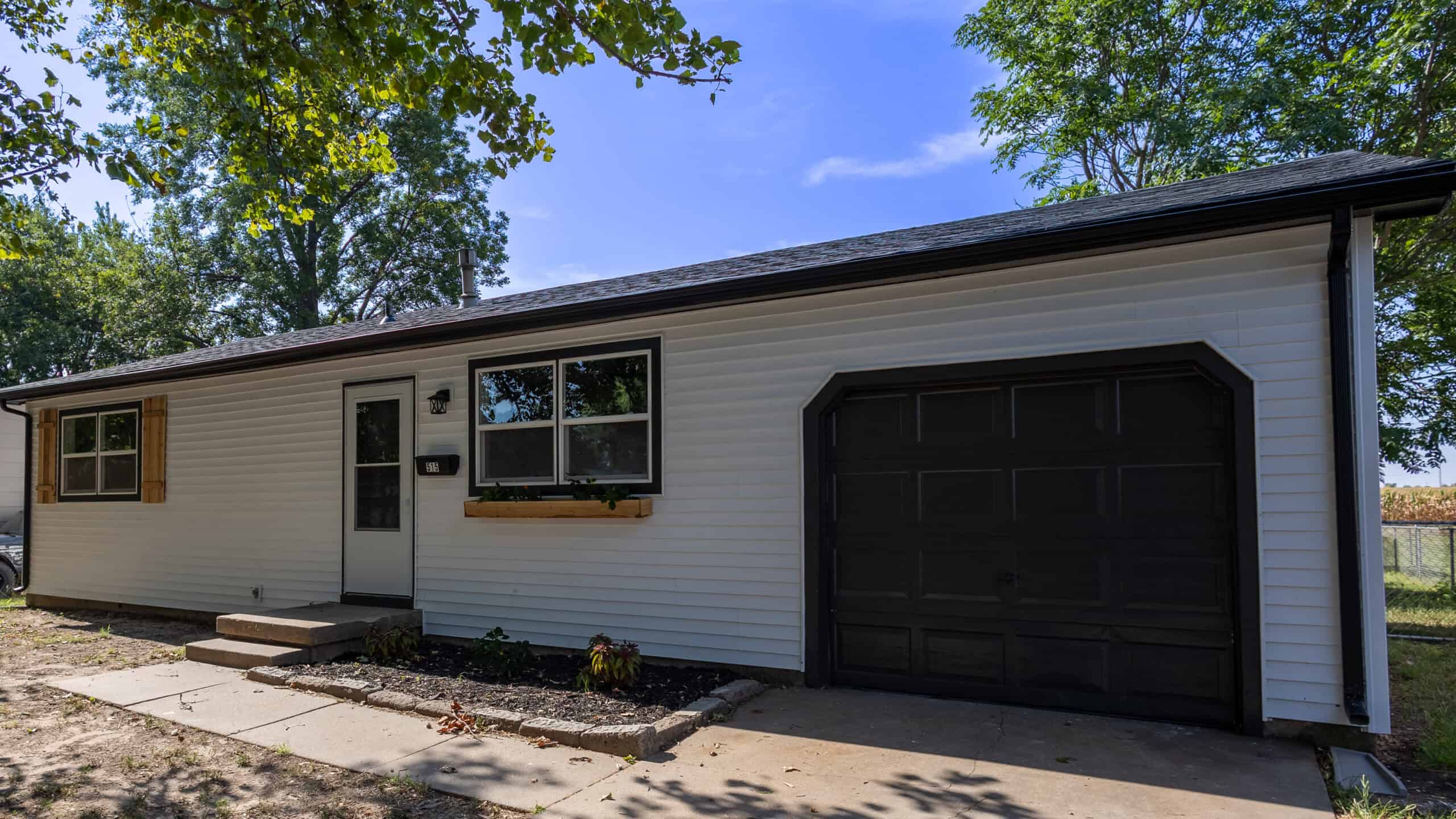

Your mother left the house to the three of you. One of you wants to sell it today, one wants to keep it as a rental, and one has not returned a call since the funeral.
Meanwhile the taxes are due, the insurance company wants to know if anyone lives there, and the gutters are coming off the back of the house.
This is one of the most common situations we see in Wichita, and it has a legal answer that most families never get told about.
You Each Own All of It, Which Is the Problem
When siblings inherit a house together, they usually hold it as tenants in common. That does not mean each of you owns a specific third of the building.
It means each of you owns an undivided interest in the whole property. Every one of you has a right to the entire house, and none of you can sell the whole thing without the others.
That structure works fine when everyone agrees. It becomes a trap the moment one person digs in.
The Carrying Costs Do Not Pause for the Argument
While the discussion drags on, the house keeps costing money, and it usually comes out of whoever is most organized rather than being split evenly.
There are property taxes, which in Sedgwick County keep accruing whether anyone is living there or not. There is insurance, and here is the part that catches families out. Most standard homeowners policies limit or void coverage once a house has sat vacant for 30 or 60 days, so the empty house may not be insured at all.
Then there is the slow damage. A Kansas winter with the heat off, a summer with no one checking the roof after a hailstorm, and a house that was sellable in March is a project by September.
Any One of You Can Force the Issue
Here is the fact that usually ends the stalemate once people hear it.
In Kansas, any co-owner of real property can file a partition action in district court. You do not need the agreement of the others to start it. The court can divide the property or, far more commonly with a single house, order it sold and the proceeds divided.
That is a real remedy, and it is worth knowing it exists. It is also slow and expensive. Attorney fees come out of the proceeds, the timeline runs many months, and the sale happens on the court’s terms rather than yours.
The reason to know about partition is not usually to file it. It is that once everyone understands a judge can order the house sold anyway, the conversation about selling voluntarily tends to get much more productive.
Buying Each Other Out Is the Other Route
If one sibling genuinely wants the house, the cleanest path is for that person to buy the others out.
That means agreeing on a value, which usually means paying for an appraisal rather than arguing about Zillow. Then the buying sibling needs actual financing, because inheriting a share does not qualify anyone for a mortgage.
Where this falls apart is when the sibling who wants to keep it cannot fund the buyout and will not agree to sell. That is the situation partition exists for.
When One Sibling Is Living in the House
This version of the problem has its own rules and it causes the most resentment.
A co-owner generally has the right to occupy the property, because each of you owns an interest in the whole thing. So a sibling who moves in is usually not trespassing, which surprises families who assume they can simply remove them.
What the others may be entitled to is an accounting. A co-owner in sole possession can be asked to account for the property’s rental value, and co-owners who have paid taxes, insurance, or necessary repairs out of pocket can typically claim credit for those payments when the proceeds are divided.
That accounting usually gets sorted inside a partition case rather than around a kitchen table. The practical takeaway is to keep receipts. Every tax payment and insurance premium you cover is a number you can point to later, and the sibling living there rent free is building an offset against their own share.
What Has to Happen Before Any Sale
Whatever you decide, title has to be clean before a sale can close.
If the estate went through probate, the court process determines who has authority to sign. Our guide to selling a house during probate in Kansas covers how that works and what the executor can do.
If your parent used a transfer-on-death deed, title may have passed to you outside probate entirely, which is faster but has its own paperwork. Either way, a title company will want to see the chain documented before closing.
Unpaid property taxes, a remaining mortgage, or a Medicaid estate recovery claim all need to be identified early rather than discovered three days before closing.
Why Families Often Choose a Direct Sale
A traditional listing asks a group that is already struggling to agree to make a long series of joint decisions. Pick an agent. Approve a price. Approve repairs. Keep the house showable. Respond to an offer within 48 hours, together.
A direct sale replaces that with one number and one date. Nobody has to fund repairs out of pocket, which matters when no single sibling wants to spend money on a house they are about to split three ways.
Our page on selling an inherited house in Wichita explains how we handle sales with several owners on the deed.
We Can Talk to All of You
We buy inherited houses in Wichita and across Kansas, including ones where the siblings are not currently speaking. We can walk the property, give one number everyone can look at, and close on a date that works around the estate.
We can also send a written offer to each owner separately so no one feels like a decision was made without them.
If a real number would help your family move forward, you can request a cash offer on the property.
This article is general information and not legal advice. Partition, probate, and estate claims depend on your specific facts, so talk to a Kansas attorney about your situation.